Iran appears to have conducted cyberattack against a U.S. company
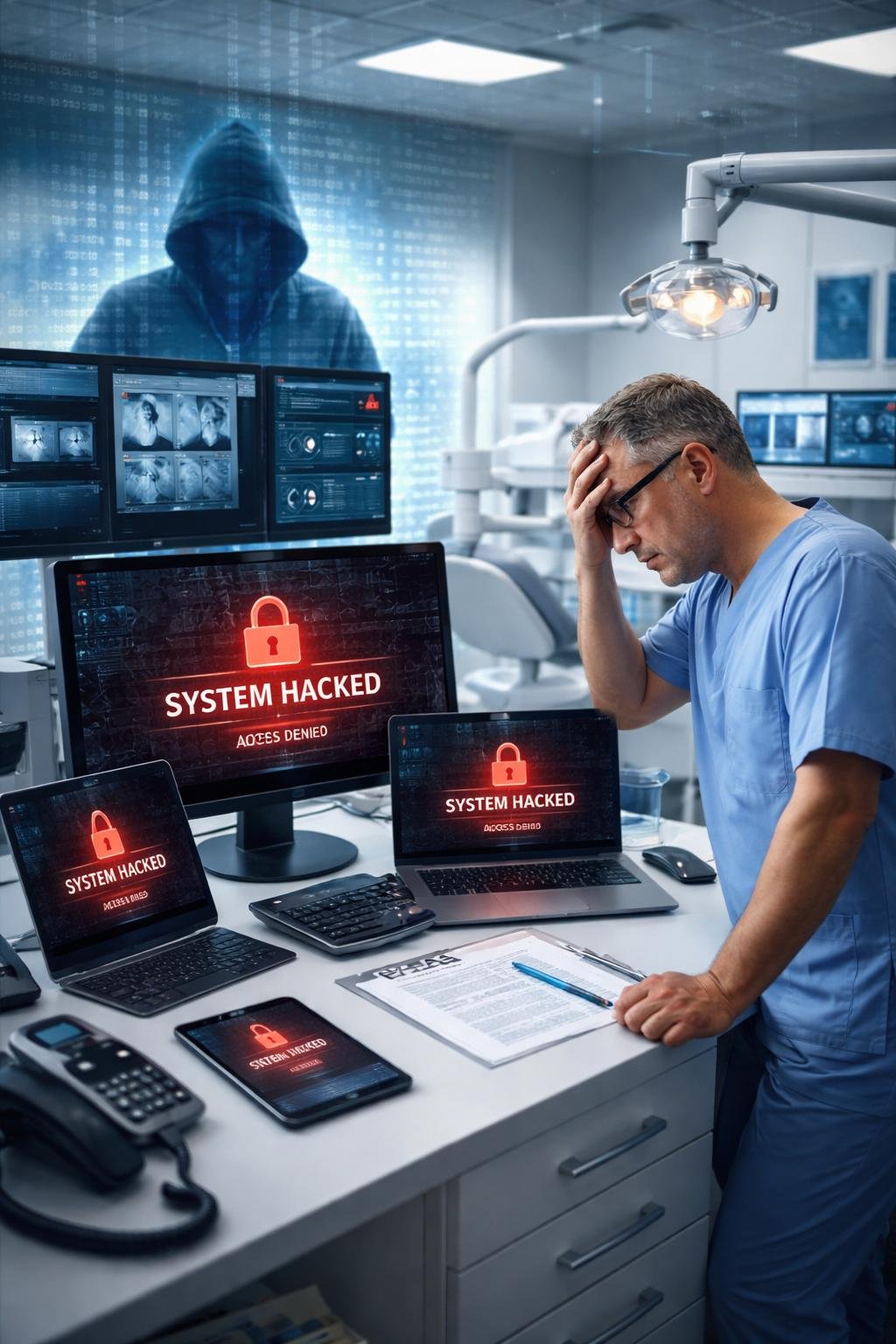
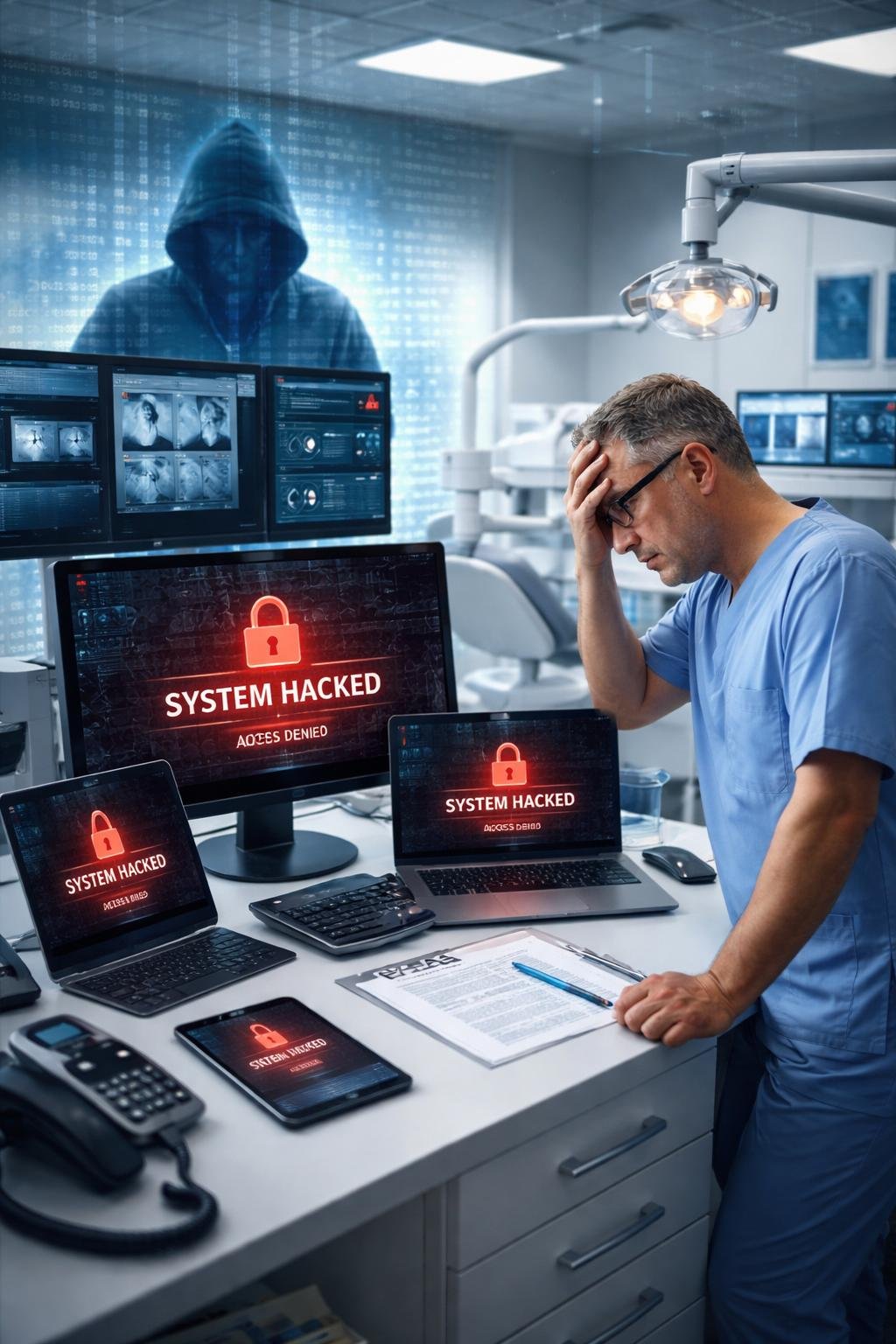
A recent cyber attack on a major medical tech company shows how serious digital threats have become for healthcare businesses. Iranian hackers got into the company's systems and wiped thousands of work devices all at once. Employees couldn't use their phones or laptops, and the whole company ground to a halt. This wasn't a typical ransomware attack where files get locked up. Instead, the hackers found a way into the company's device management system and hit delete on everything.
This kind of attack should worry any dental practice owner. This is exactly why dental IT services built for dental practices are critical. Without proper security, monitoring, and backup systems in place, a single attack can shut down your entire office. Your office runs on computers and digital systems just like big medical companies do. Patient records, scheduling software, billing systems, and digital x-rays all depend on your technology staying safe and working right. One successful attack could shut down your practice and put patient information at risk.
Why Dental Practices Need HIPAA Cybersecurity Protection
Your dental practice holds sensitive patient information every single day. HIPAA requires you to protect that data with proper cybersecurity measures. This is where HIPAA-compliant IT support for dental practices becomes essential, not just a suggestion. It's a legal requirement that comes with real consequences if you don't follow it.
You need several key protections in place. Secure backups ensure you can recover patient data if something goes wrong. Network monitoring helps catch problems before they turn into disasters. Access controls limit who can see sensitive information. Ransomware protection stops attacks that lock up your files and demand payment.
Without these safeguards, your practice faces serious risks. A data breach could expose patient records and damage your reputation. You might face HIPAA fines that range from thousands to millions of dollars. Your practice could shut down for days or weeks while you try to recover. Patients could lose trust and go somewhere else.
Get An Expert Security Review
Your dental practice technology needs expert eyes on it. You might think everything looks fine, but hidden problems often exist under the surface. An experienced IT security professional knows what to look for and where weaknesses hide. Our dental IT services and security assessments are designed specifically for dental offices that need real protection, not generic IT support.
A security review checks your entire technology setup. It looks at how you store patient data and who can access it. It tests your network for vulnerabilities. It reviews your backup systems and disaster recovery plans. It makes sure you meet HIPAA requirements.
Many dental practices skip this step until after a problem happens. That's like waiting for a cavity to hurt before checking for it. A proactive review catches issues while you can still fix them easily.

Bright Byte IT's HIPAA Technical Assessment
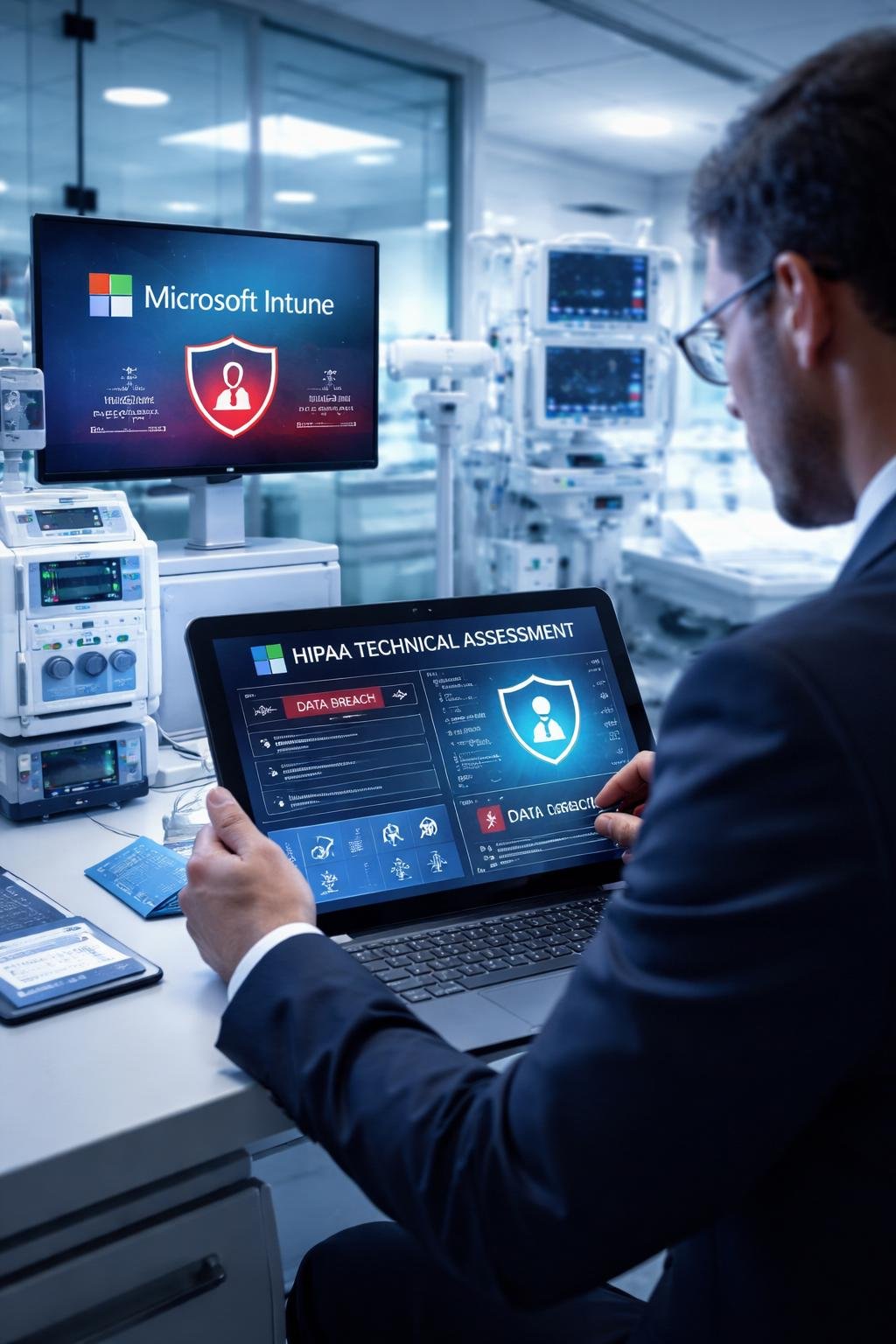
Bright Byte IT offers a specific service for dental practices called a HIPAA Technical Assessment. This assessment looks at your entire practice technology environment to find cybersecurity risks and compliance gaps. The process is thorough but straightforward.
During the assessment, Bright Byte IT examines your network security, data storage, backup systems, and access controls. They check whether your current setup meets HIPAA requirements. They identify weak spots that hackers could exploit. They look for missing protections that could lead to data breaches.
This assessment becomes the foundation for protecting your practice going forward. It gives you a clear picture of where you stand and what needs attention. You get a detailed report that explains problems in plain language without technical jargon.
No Pressure Assessment Available
Bright Byte IT understands you might already work with a managed service provider. That's fine. They still offer a no pressure HIPAA Technical Assessment to any dental practice that wants one.
The assessment process stays the same whether you're a current client or not. Bright Byte IT comes in, reviews your systems, and gives you honest feedback. If they don't find any issues, that's great news. Your current setup is working well.
If the assessment does identify problems, you have options. You can take the report to your current MSP and work with them to fix the issues. Or you can explore working with Bright Byte IT if that makes more sense for your practice. There's no obligation and no high pressure sales pitch.
The goal is simply to help dental practices understand their cybersecurity risks. Too many practices operate without knowing they have vulnerabilities until it's too late. A technical assessment gives you knowledge and peace of mind.
Key Takeaways
Iranian hackers attacked a medical tech company by accessing device management systems and wiping thousands of employee devices
Dental practices must follow HIPAA cybersecurity requirements including secure backups, network monitoring, access controls, and ransomware protection
Bright Byte IT offers a HIPAA Technical Assessment to identify risks and compliance gaps, even for practices that already have an MSP
What Happened With The Iran Cyber Attack
How The Attack Unfolded
An Iran-linked hacker group hit Stryker, a medical tech company, with a cyber attack. This was the first attack of its kind since the war started.
The problems started on a Wednesday. Employees noticed their work phones and laptops just stopped working. One employee who didn't want to be named told NBC News that all their devices went dark at the same time.
Your devices would be completely wiped. Everything gone in an instant.
About The Company That Got Hit
Stryker makes medical equipment and technology. The company uses a lot of devices across its workforce.
Company Type: Medical technology manufacturer
Products: Medical equipment and tech
Impact: Work-issued phones and laptops across the company
The company relies heavily on technology to operate. When all those devices stopped working at once, you can imagine how much that would shut down daily operations.
How The Hackers Got In
The hackers likely used Microsoft Intune to pull off this attack. Intune is a program that large companies use to manage all their phones, tablets, and computers from one place.
Here's how it works in simple terms:
IT departments use Intune to control employee devices remotely
The system has a feature that lets you wipe a device clean
Companies use this if someone gets fired or a device gets stolen
The hackers got someone's login information for Intune
They used that access to wipe tons of company devices all at once
What made this attack clever: Nobody in the cybersecurity space saw this coming. The hackers didn't need fancy tools. They just needed the right login credentials.
The damage wasn't just about devices not working. Your whole IT department would need to reinstall everything on every single device. That kind of work grinds a company to a complete halt.
Iran has shown they're willing to look for any opening they can find. They go after crimes of opportunity. Their cyber capabilities aren't as strong as Russia's or China's, but they're persistent.
Iran's Cyber Attack Methods
Their Non-Stop Hacking Approach
Iran keeps trying different ways to break into systems. They've been doing this for years now. Their skills aren't as strong as some other countries, but they make up for it by being stubborn and creative.
Think of them like someone who keeps trying every door in a building until they find one that's unlocked. They look for easy targets and weaknesses they can exploit.
How They Stack Up Against Russia And China
Iran's hacking abilities fall below Russia's level. They're even further behind China's capabilities.
Here's what sets them apart:
Russia- One level above Iran
China- Several levels above Iran
Iran- Focuses on finding weak spots and taking advantage of them
Iran doesn't have the advanced tools or skills that Russia and China have. What they do have is patience and a willingness to keep attacking until something works.
Taking Advantage Of Weak Spots
Iran's hackers go after crimes of opportunity. They'll attack wherever they can find a way in.
The recent attack on a medical tech company shows how this works. The hackers got into someone's login credentials for Microsoft Intune. This is a program that companies use to manage work phones, tablets, and computers.
Once they had access, they used the remote wipe feature. This is normally used when an employee leaves or a device gets stolen. The hackers wiped tons of devices all at once.
This kind of attack creates major problems for your business:
Employees can't log in or use email
Work stops completely
Your IT team has to reinstall everything on every device
The hackers were clever about finding this weakness. Most cybersecurity experts didn't see this type of attack coming.
Iran has also been accused of breaking into systems that run water facilities in America. They got into wastewater and drinking water systems. But here's the good news - they couldn't figure out how to actually cause harm once they were inside. They didn't know how to manipulate the controls in a dangerous way.
Many industrial systems run on custom software that's confusing to outsiders. This makes them harder to attack successfully. But the fact that Iran got in at all should worry you.
How Bright Byte IT Protects Your Practice
Your dental practice holds sensitive patient information. This makes you a target for these types of attacks. You need to know where your weak spots are before hackers find them.
Bright Byte IT performs HIPAA Technical Assessments for dental practices like yours. We check your systems to find security gaps that hackers could exploit. Our assessment looks at:
Your network security
How you store patient data
Who has access to sensitive information
Your backup systems
Remote access points
We explain what we find in plain language. No tech jargon that confuses you. You'll understand exactly what risks your practice faces and how to fix them.
After the assessment, you get a clear action plan. We show you which problems to fix first and help you stay compliant with HIPAA rules. This protects your patients and keeps your practice safe from attacks like the ones Iran is launching.
How The Cyber Attack Happened
Microsoft Intune's Part in the Breach
The hackers found a way into Stryker's system through Microsoft Intune. This is a tool that companies use to manage all their work phones, laptops, and tablets from one place.
Think of Intune like a master control panel for all your company devices. IT departments use it to set up new devices, update software, and handle security across hundreds or thousands of phones and computers at once.
Here's what made this attack smart: Intune has a feature that lets IT teams remotely wipe devices clean. You might use this if:
An employee gets fired
A device gets stolen
A phone needs to be reset
The hackers got someone's login information for the Intune account. Once they had access, they just hit that wipe button on tons of company devices all at once.
Attacks like this are preventable with the right protections in place. Learn how our dental cybersecurity and IT protection services help prevent device-level and credential-based attacks.
Nobody in the cybersecurity world really saw this coming. It was a clever move that used the company's own management tools against them.
What Happened to Daily Work
When the attack hit on Wednesday, work devices just stopped working. An employee who talked to NBC News said their work-issued phones and laptops completely shut down.
Your staff couldn't:
Check email
Access work files
Communicate with each other
Use any work programs
But it wasn't just about devices being down. The IT department had to reinstall everything from scratch on each device. That takes time.
The whole company ground to a halt. You can't run a medical tech business when nobody can access their work tools.
What Happened Right Away
This was the first cyber attack linked to Iran since the war started. The hacker group claimed responsibility for hitting Stryker, a company known for making medical equipment and tech.
The attack wiped devices across the company. Workers showed up and couldn't do their jobs. Every phone, every laptop that got hit needed to be completely rebuilt by IT staff.
Nobody knows exactly how long it took to get back up and running. But when you lose access to every work device at once, it's not a quick fix.
Protecting Your Practice's Essential Systems
Your Practice Control Systems
Your dental practice runs on specialized systems that control everything from patient records to equipment operations. These systems are called Industrial Control Systems, or ICS for short. They manage the digital parts of your practice that keep things running smoothly.
These control systems often run on custom software that's different from regular computers. They're built for specific tasks in your office. The systems can be hard to access from the outside because they're designed to work in unique ways.
Protection Through Complexity
There's a concept in cybersecurity called "security by obscurity." This means your systems are somewhat protected just because they're hard to figure out.
Your practice systems are often confusing for hackers to access. If someone doesn't know exactly what they're looking at, it's really hard for them to mess with anything. The custom nature of these systems makes them trickier targets.
Hackers have gotten into some utility systems in recent years. They've accessed water facilities and other infrastructure. But here's the good news: they didn't show they could actually do the scary stuff.
For example, they couldn't figure out how to manipulate things like chemical levels to cause real harm. Getting in is one thing. Knowing what to do once you're in is a whole different challenge.
The Reality of Hacking Utilities
You might worry about hackers attacking critical systems like power grids or water plants. While it's a real concern, there are some barriers that make it difficult.
The main challenge for hackers is that just accessing a system doesn't mean you can control it. These systems are complicated. You need specialized knowledge to actually make them do what you want.
Some groups have shown they can break into facility systems. However, they haven't demonstrated the ability to understand how to cause actual damage. They can't figure out things like:
How to adjust chemical levels
How to manipulate equipment controls
How to create dangerous conditions
Your practice faces similar situations with your own systems. Hackers might try to get in, but understanding your specific setup and how to cause real problems is much harder than it looks.
Iran's History With Digital Attacks
Attempts To Breach Water Systems
Iran has been caught trying to hack into water systems in the United States. They've gotten into the operating systems that control both wastewater and drinking water facilities in recent years.
These water facilities run on special systems called industrial control systems or ICS. These systems are often built with custom software that's hard to figure out if you don't know what you're looking at.
The good news is that Iran hasn't shown they actually know how to use these systems to cause real damage. Getting into a system is one thing. Understanding how to manipulate it to do something dangerous is completely different.
For example, they'd need to know exactly how much chlorine to add to make drinking water poisonous and send it into your local town. That's the worst-case scenario that keeps security experts up at night.
Why They Haven't Caused Major Damage Yet
Your facilities have some protection built in just from how complex these systems are. Security experts call this "security by obscurity."
Here's what that means:
Industrial control systems often run on custom operating systems
They're hard to access from the outside
They're confusing to navigate even if you get in
You need to know exactly what you're looking at to manipulate them
Iran's cyber capabilities are persistent but they're not top-tier. They're a step below Russia and several steps below China. What they do have is a willingness to look for crimes of opportunity. They'll go wherever they can find a way in.
But finding a way in doesn't mean they can actually cause harm once they're there. Iran has never demonstrated they understand how to manipulate these water systems to poison supplies or cause other real-world damage.
How False Information and Digital Manipulation Are Growing
How Artificial Intelligence Powers Today's Online Influence Efforts
AI has made it way easier for bad actors to create and spread fake content. You can now generate fake images, videos, and text in seconds. This technology speeds up how quickly someone can launch a propaganda campaign.
The tools work so fast that you might not even know what you're looking at is real or fake. When you scroll through social media, AI-generated content mixes right in with everything else. It's hard to tell the difference anymore.
Key ways AI is being used:
Creating fake images and videos
Writing convincing false stories
Automating the spread of misleading posts
Making propaganda campaigns cheaper and faster
These tools don't just help one country or group. Everyone from nation-states to small organizations can use them now.
How Social Platforms Get Manipulated
Social media has become a major battleground for spreading false information. Platforms like X are especially messy right now. When you go on there, you often can't tell where content comes from or if AI made it.
The problem is that fake content looks just like real content. It shows up in your feed the same way. You see a post, and there's no easy way to know if it's trustworthy.
This manipulation wraps itself deeply into online messaging from all kinds of different powers. Iran uses these tactics. Russia uses them too. Even official government accounts share content that blurs the line between information and influence.
Your practice's reputation could be at risk if your staff accidentally shares false information. One wrong click can spread misinformation to your patients.
How Different Countries Use Similar Methods
Multiple nations now use the same basic playbook for online influence operations. The tactics are pretty similar across the board.
Comparison of tactics:
Foreign governments use several tactics to spread disinformation online. Some, like Iran and Russia, rely on AI-generated content — fabricated posts, images, and videos designed to look real. Others flood social media with massive amounts of content to drown out accurate information, making it harder for people to find the truth. Many nations also craft targeted messages tailored to specific groups, exploiting existing beliefs or tensions to push a particular narrative. These methods are often used together and are increasingly difficult to detect
Iran's capabilities sit a rung below Russia's and a few rungs below China's. But they're persistent. They look for crimes of opportunity and go wherever they can find a way in.
Russia has more advanced tools and reaches. China operates at an even higher level. But the basic approach stays the same across all of them.
The White House even posts meme clips now as part of their messaging strategy. This shows how blurred the lines have gotten. Official government communications now use the same formats as propaganda campaigns.
Your dental practice needs to understand these risks. When everyone from governments to hackers uses similar tactics, it gets harder to spot threats. You need to train your team to recognize suspicious content before it causes problems.
Bright Byte IT performs HIPAA Technical Assessments and dental IT services to help you identify cybersecurity risks in your practice. We check where your vulnerabilities are and show you how to protect your patient data. Our assessments look at your systems the same way hackers do, so we can find weak spots before bad actors exploit them.
At Bright Byte IT, everything we do starts with a HIPAA Technical Assessment. Before anything else, we take a thorough look at your practice's systems to identify any vulnerabilities — so we can address them right away. Think of it as a foundation check. By understanding exactly where your security gaps are from the start, we can build a protection plan around your specific needs and keep your patient data where it belongs.
Schedule Your HIPAA Technical Assessment Today
Not sure if your practice is fully protected? Our dental IT services in DFW start with a HIPAA Technical Assessment to identify risks, security gaps, and compliance issues before they become costly problems.
Dental practices across the DFW trust Bright Byte IT to protect their systems and their patient data. Schedule your consultation today.
📞 Call us at 817-608-7332 or visit brightbyteit.com/book-consultation to schedule your assessment today.